
“We are going to achieve our objectives in a matter of weeks, not months.” —Secretary of State Marco Rubio
History suggests that politicians, seeking victories, frequently underestimate the length or devastation of wars: see the South in the five-year Civil War, the Germans in six-year WWII, America’s 14-year Vietnam war or 21-year Afghanistan fight. Knowing that warfare increases censorship and duplicity investors need while decreasing personal choice, what are the economic effects of wars and how can we plan for them?
Blockades and trade disruptions
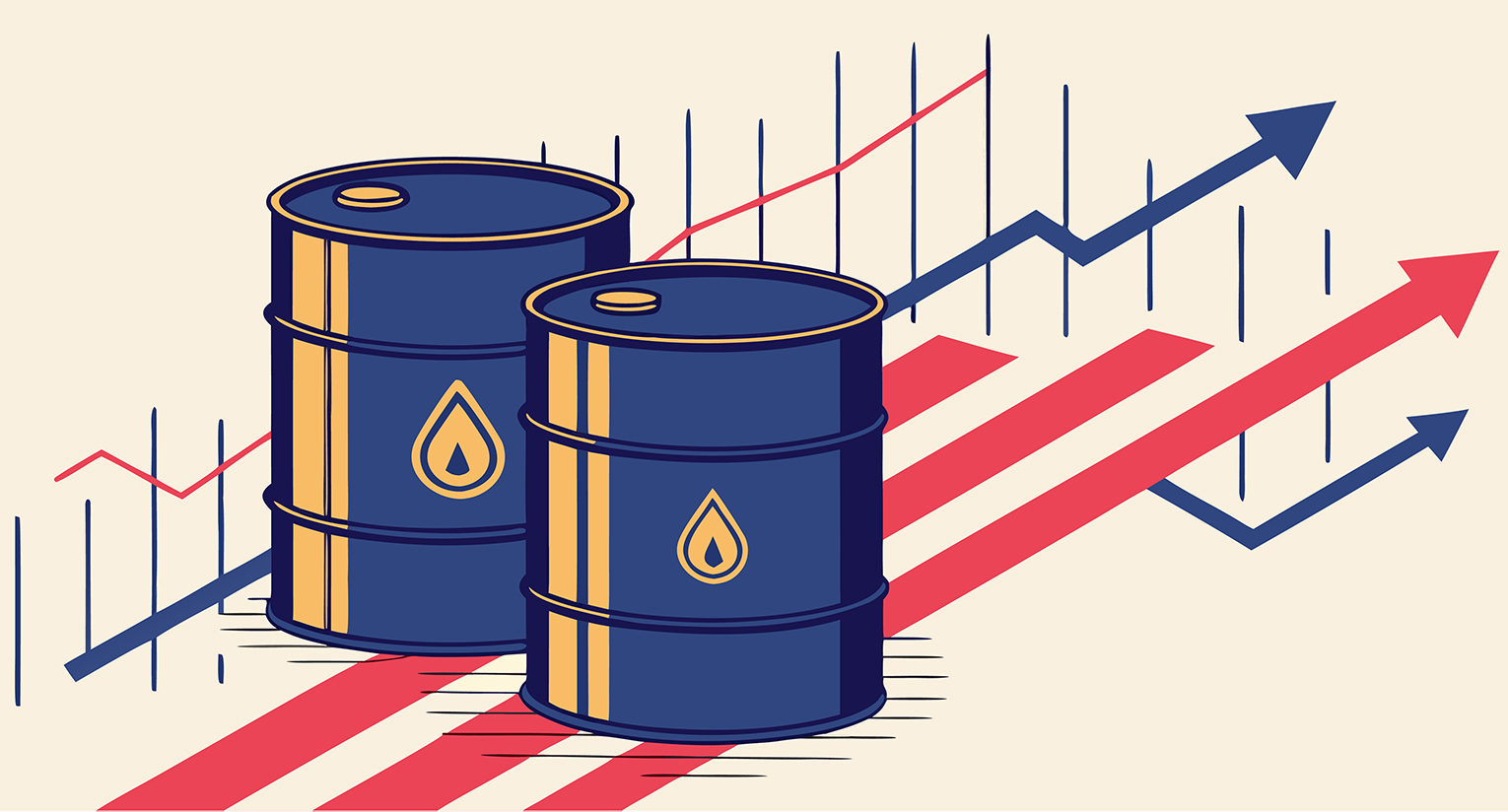
Mass conventional bombings failed to make Germany, Japan or North Vietnam cower and the “Anaconda Strategy” failed to topple Southern cotton exporters. Only boots on the ground worked with Sherman’s flaming “March to the Sea,” as they did in the invasion of Germany. Iran’s drone response reminds me of Germany’s submarine wars or Confederate raiders—underdogs causing trouble that might bring in more enemies. Closed straights and crashing missiles limit oil supply but not demand—raising prices on all goods transported with oil.
Roughly 82% of oil passing the Strait of Hormuz goes to energy-diversified China and we should follow their lead with solar, wind and nuclear. Oil independent America exports heavy fuels for motor oil and diesel. Iran needs grains, medicines and technologies, but so do peaceful Middle Eastern countries like the UAE that had not sought war. Asia suffers and Africans starve without fertilizers. Surely the world economic crisis will decrease American exports and jobs.
Hoarding and rationing
CNN reports that “Governments have ordered employees to work from home, cut the working week, declared national holidays and closed universities early in order to conserve their supplies.” Americans drive less. If prices seem to rise hopelessly, we may see home gas storage and perhaps hoarding and profiteering. Then the government may ration gas as it did in WWII and the 1973 oil crisis. Supply shortages and loss of exports will slow things down.
Full employment
Unemployment soared in the 1930s as Roosevelt instituted banking regulations and Social Security, weakened the gold standard and strengthened unions. Recovery faltered until defense spending increased with a draft that bought labor—grudging or patriotic-cheaply. Is khaki in style? Financial Planners better personal choice as warmongers take it away.
War finance
Crisis is the midwife of Big Government, which ratchets intervention. Lincoln suspended Habeas Corpus, shuttered newspapers and imposed income taxes later deemed unconstitutional. Wilson passed an income tax amendment, jailed protestors and nationalized railways. Investors should buy into companies favored by government—perhaps drones or missiles—and remember veteran’s service increases when the war ends and so many are hospitalized or granted home or college loans. Consider drug or dorm investments.
Treasury yields have climbed as investors adjust expectations for inflation and fewer interest rate cuts. Mortgage rates rose, putting off people’s housing dreams yet again. War bonds then weaken the economy with higher taxes for decades—or deficits and inflation.
Inconclusive conclusions
Most wars leave everyone losers but Chamberlain’s gifts to Hitler remind us that countries ducking small wars may suffer devastating wars later when crowds support destabilizing terrorism and chant “Death to America!” The world economy can’t abide a bridge troll straddling international waters and motivating other trolls to block Straits of Taiwan, Malucca or the Red Sea. Democratic Ukraine and Taiwan suffer neglect as Russian oil grows valuable and China refines its nukes. Had Trump fought for liberty, democracy or freedom of the seas, the Iranian conflict might be long but the end worthy—but Trump lacks clear goals and universal ideals.
On rising gas prices, Wiggly Trump reassured true believers: “All I have to do is leave Iran, and we’ll be doing that very soon, and they’ll be come tumbling down.” AI stocks need energy to compete with carmakers and plane travelers, and gas prices rising a dollar just slow growth. In the fog of war, Trump gambles our personal finances and all we can do is hoard money and maybe useful goods. Oil is up but gold, bonds and the dollar are down. Yet stock prices rose this month making believe sophisticated traders see hope that the war will end and those who sold in panic lost in peace.
Robert Arne, EA, CFP, MS, of Carpe Diem Financial Life Planning, gives holistic financial advice as his client’s fee-only fiduciary. He serves mostly Santa Cruz Mountain dwellers. These articles must not be read as personal financial, mortgage, tax or investment advice; consult appropriate professionals.