
What is Financial Life Planning?
The Holistic Carpe Diem Method
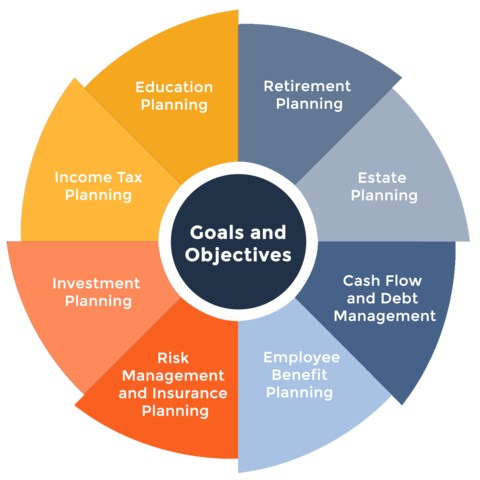
In a mere forty minutes, we show you the essence of a plan encompassing all areas of your financial life: insurance, investments, debt and budgeting, and retirement and estate planning. All of this is based on your stated dreams and upon risk tolerance which is assessed not merely by subjective answers to your questionnaire, but by analysis of risk capacity and risk required to meet long term objectives that count: your grandkids’ education, maintaining lifestyle, protecting against health risks, etc. Our plans contain words, numbers and pictures intended to show you that we listened and cared enough to demonstrate competence.
We optimize your financial world by creating “financial architecture” to give you a solid foundation to achieve your dreams. I reject the idea that financial planning is simply a hydraulic exercise of math equations and pseudo-scientific emphasis on financial predictions that result in oft-ignored graphical presentations. The life planning approach certainly considers exterior finance issues as they hit the news — taxes, recessions, wars and estate laws — but also focuses on an interior life enriched in open-ended and free-flowing conversations about financial goals and dreams. Life planning connects finance with psychology; a financial advisor coaches and nurtures for the betterment of the client.
Planning is a process, not a piece of paper. We may assist you with implementation, coach you with implementation challenges, and stand by you in case of failure. The plan gets revised as you pen new vitality over the years.
The Four Pillars of Financial Life Planning
CFPs are not just portfolio managers for the rich. Financial life planning is all about self-discovery and self-improvement. Life planning connects finance with psychology and master’s students take therapy classes to gain empathetic listening skills.

Connective listening to see how your social, cultural or religious background shape your views. (The “We” in finance.)

Money history studies: What money memories affect your current attitudes about savings, risk, growth, and more? (The “I” from childhood.”

Money meaning stories: Does money bring freedom, power, guilt, social connection, security? (The “I” of the present.)

Coaching to realize your financial goals. (The “I” going forward.)
Financial planning is self-discovery.
Twenty years ago, innovators like George Kinder and Dick Wagner dared planners to look at “interior finance” to bring greater meaning to all that planners accomplish. Also holistically dubbed “integral finance,” it is simply a “better way of doing financial planning which considers life issues and attitudes about money before giving advice,” (Roy Dilberto). I listen, build trust, and interview effectively to help you feel understood even when the issues are delicate and connected with your dreams and those of cherished ones. I do not just assume you want the standard goals of paying fewer taxes and earning more returns, but that you ask, like the Bard: “What dreams may come?”
Carol Anderson and Deanna Sharpe found that clients who thought their advisor helped them find meaningful personal goals were far more likely to follow planning recommendations and give referrals. “This model of service delivery uses a collaborative, client-centered approach to communication that integrates a client’s values-based life goals with their financial goals.” In this “wisdom business,” financial life planning is the “science of happiness.”
Ready to take control of your finances?
“The unexamined life is not worth living.” — Socrates